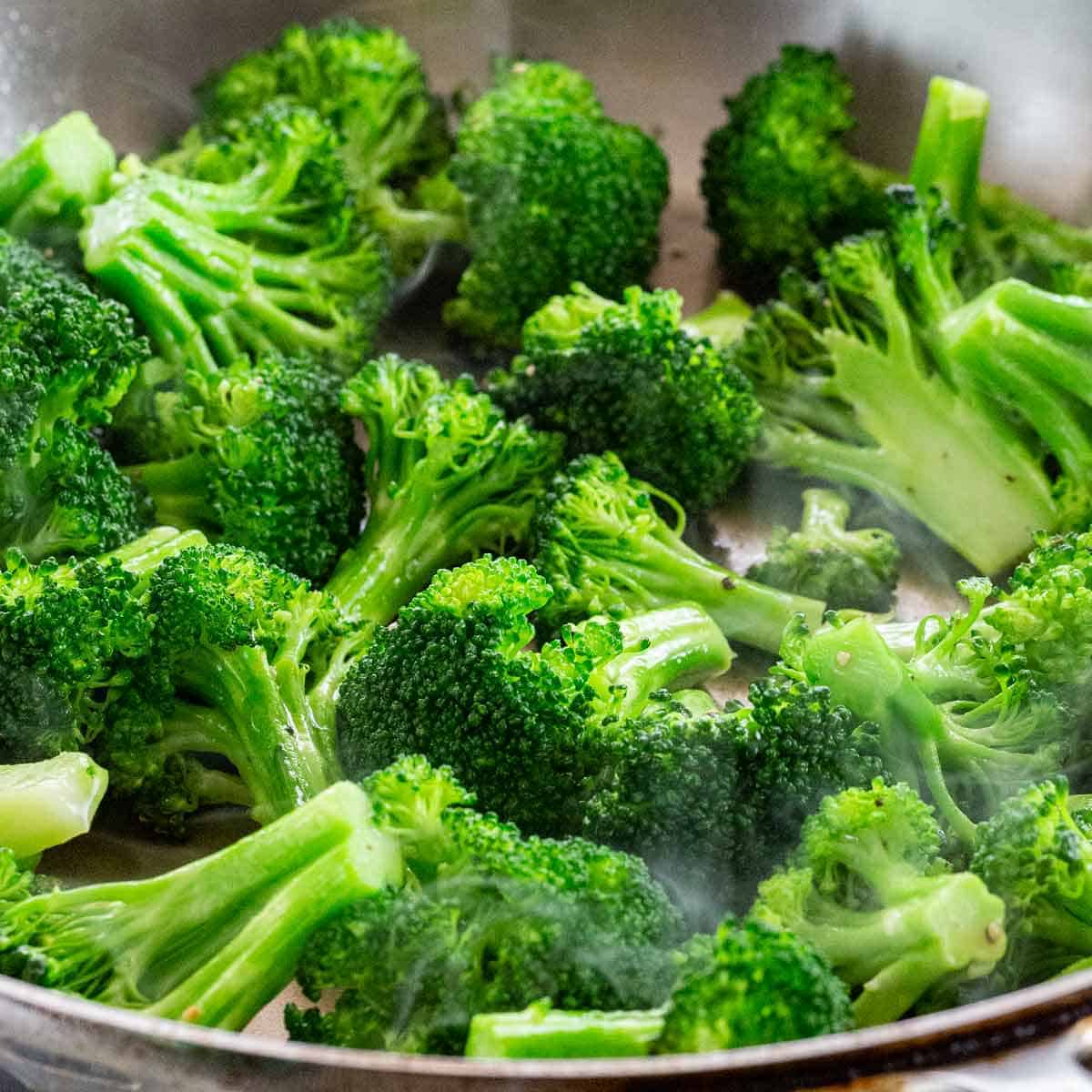
Broccoli often gets an unfair reputation, frequently relegated to the status of a dreaded vegetable in many households. But what if we told you that your past experiences with mushy, bland broccoli might not be the vegetable's fault at all? As a proud member of the brassica family, broccoli is incredibly versatile and delicious when cooked correctly. The secret to transforming this humble green into a culinary delight lies in understanding how to cook broccoli, preventing that dreaded mushiness, and coaxing out its naturally sweet, earthy flavors.
Whether you're a long-time broccoli admirer or looking to convert a skeptical eater, this comprehensive guide will equip you with the knowledge to prepare perfect broccoli every time. We'll explore everything from selecting the freshest heads to mastering five distinct cooking methods, ensuring your broccoli is always crisp-tender, vibrantly green, and bursting with flavor.
Choosing and Prepping Your Broccoli for Peak Flavor
Before you even think about firing up the stove, the journey to perfectly cooked broccoli begins at the grocery store. Selecting a high-quality head ensures you're starting with the best possible foundation for flavor and texture.
How to Choose the Best Broccoli
When scouting for fresh broccoli, look for these key indicators:
- Vibrant Green Florets: The crown should be a deep, uniform green with a matte finish. Avoid any heads showing signs of yellowing, which indicates age and a potential loss of flavor and nutrients. While still safe to eat, yellowed broccoli will be less vibrant and might have a slightly stronger, sulfurous taste.
- Firm, Tight Florets: The individual "tree-like" florets should be tightly packed and firm to the touch, resembling a dense bouquet. Steer clear of any with loose, spreading, or flowering buds, which are past their prime.
- Sturdy Stalk: The main stalk should be firm, pale green, and feel heavy for its size. Give it a gentle squeeze; it should be taut, not squishy or wrinkled. A fresh cut at the bottom of the stem is a good sign, ideally free of brown, woody, or dried-out spots. If you scratch the surface slightly, a little moisture should appear.
- No Mushy or Soggy Patches: Inspect the entire head for any soft, discolored, or wet areas, as these are signs of spoilage.
Storing Your Fresh Broccoli
Once home, proper storage can extend your broccoli's freshness for up to a week. The key is allowing it to breathe:
- Avoid storing broccoli in airtight plastic bags, which can trap moisture and accelerate spoilage.
- A clever trick to keep it crisp longer is to place the stalks upright in a glass or pitcher with about an inch of water at the bottom, much like you would a bouquet of flowers. Cover the florets loosely with a plastic bag and store in the refrigerator. Change the water daily.
- Alternatively, store it loosely wrapped in a damp paper towel in the crisper drawer.
Trimming and Prepping Your Broccoli
One of broccoli's beautiful qualities is its edibility from florets to stalk. With a little smart prep, you can minimize waste and maximize deliciousness.
- Wash Thoroughly: Rinse the entire head under cold running water to remove any dirt or debris.
- Separate Florets: Using a sharp chef's knife, cut the florets from the main stalk. Aim for pieces roughly the same size (about 1-2 inches) to ensure even cooking. You can either slice through the stems of the florets or break them apart with your hands.
- Utilize the Stalk: Don't discard the stalk! It's perfectly edible and quite sweet. Use a vegetable peeler to remove the tough, fibrous outer layer of the stalk until you reach the tender, pale green core. Then, slice it into coins, sticks, or dice it for stir-fries, roasts, or even to add to soups. It cooks similarly to the florets, though often benefits from an extra minute or two.
- Don't Forget the Leaves: If your broccoli comes with leaves attached, these are also edible! They can be chopped and added to salads, stir-fries, or roasted alongside the florets.
5 Methods for Perfectly Cooked Broccoli (No Mush!)
Now that your broccoli is prepped, let's dive into the various cooking techniques. Each method brings out a different nuance in broccoli's flavor and texture. For more quick and easy ideas for weeknight meals, check out Quick & Easy Broccoli: 5 Methods for Fast, Flavorful Weeknight Sides.
1. Steaming: For Vibrant Color and Crisp-Tender Texture
Steaming is a gentle method that preserves broccoli's bright green color, nutrients, and a slight crunch. It's fantastic for a healthy side dish.
- Benefits: Retains nutrients, vibrant color, clean flavor, crisp-tender texture.
- How To: Place about an inch of water in the bottom of a pot and bring it to a boil. Place broccoli florets and stalk pieces (if using) in a steamer basket above the water. Cover tightly with a lid.
- Timing: Steam for 3-5 minutes for crisp-tender broccoli. The exact time depends on the size of your florets and your desired tenderness.
- Pro-Tip: Don't overcrowd the steamer basket, as this can lead to uneven cooking. Once done, immediately remove from the heat and toss with a drizzle of olive oil, a squeeze of lemon juice, salt, and pepper.
2. Roasting: For Deep Flavor and Crispy Edges
Roasting transforms broccoli, bringing out its natural sweetness and creating delightful caramelized, slightly crispy edges. This is often cited as the best method for winning over skeptics.
- Benefits: Deep, nutty, caramelized flavor, tender interior, slightly crispy exterior.
- How To: Preheat oven to 400°F (200°C). Toss broccoli florets and stalk pieces with 1-2 tablespoons of olive oil, salt, and black pepper on a baking sheet. Ensure they are in a single layer without overcrowding. For an extra kick, add garlic powder, red pepper flakes, or a sprinkle of paprika.
- Timing: Roast for 15-25 minutes, tossing halfway through, until tender and slightly browned/charred at the edges.
- Pro-Tip: Use a hot oven and don't overcrowd the pan. If the florets are too close, they'll steam instead of roast. For even more flavor, try finishing with a grating of Parmesan cheese in the last few minutes.
3. Sautéing: For Quick Cooking and Infused Flavors
Sautéing is a fast and flavorful method, perfect for incorporating broccoli into stir-fries, pasta dishes, or as a quick side. It allows you to infuse the broccoli with aromatics.
- Benefits: Quick, flavorful, good for adding to other dishes.
- How To: Heat 1-2 tablespoons of olive oil or butter in a large skillet over medium-high heat. Add broccoli florets and cook, stirring frequently, for 3-5 minutes until bright green. If desired, add a splash of water (1/4 cup) and cover for 2-3 minutes to steam-fry until tender-crisp. Uncover and continue cooking until the water evaporates and the broccoli is slightly browned.
- Timing: Approximately 5-8 minutes total.
- Pro-Tip: Add minced garlic or red pepper flakes to the pan after the broccoli has cooked for a few minutes to prevent burning, then continue sautéing until fragrant. A dash of soy sauce or a squeeze of lemon at the end adds brightness.
4. Blanching: For Vibrant Color and Ready-to-Eat Crispness
Blanching involves a quick dip in boiling water followed by an ice bath. This method locks in vibrant color and a firm, crisp-tender texture, making it ideal for salads, crudités, or as a preliminary step before stir-frying or freezing. For a deeper dive into methods and buying tips, refer to our Broccoli Buyer's & Cooker's Guide: 5 Easy Methods for Flavor.
- Benefits: Retains vibrant color, crisp-tender texture, stops enzymatic action for freezing, great for salads.
- How To: Bring a large pot of salted water to a rolling boil. Prepare a large bowl of ice water. Add broccoli florets to the boiling water and cook for 1-2 minutes until bright green. Immediately remove the broccoli with a slotted spoon and plunge it into the ice bath to stop the cooking process.
- Timing: 1-2 minutes in boiling water.
- Pro-Tip: Salting the boiling water helps season the broccoli from the inside out. The ice bath is crucial for preserving the bright green color and preventing overcooking.
5. Boiling: For Quick Tenderizing (with Caution!)
Boiling is the fastest way to cook broccoli but also the riskiest for achieving mushy results if not timed perfectly. It's best used when you need very tender broccoli for purees or mashes.
- Benefits: Fastest cooking method, achieves very tender texture.
- How To: Bring a pot of salted water to a rolling boil. Add broccoli florets and cook until tender.
- Timing: Approximately 2-4 minutes for tender-crisp, or up to 5-7 minutes for very tender broccoli.
- Pro-Tip: Watch it like a hawk! As soon as it reaches your desired tenderness, drain immediately. For added flavor, you can finish it with a pat of butter or a sprinkle of herbs.
Flavor Boosters and Serving Suggestions
Once you've mastered how to cook broccoli, elevate it further with simple flavor enhancements:
- Lemon Zest & Juice: A squeeze of fresh lemon brightens any preparation.
- Garlic & Chili: Sautéed garlic or a pinch of red pepper flakes adds a savory kick.
- Cheese: Grated Parmesan, nutritional yeast, or a light drizzle of cheese sauce.
- Nuts & Seeds: Toasted slivered almonds, pine nuts, or sesame seeds for crunch.
- Balsamic Glaze: A sweet and tangy drizzle for roasted broccoli.
- Herbs: Fresh parsley, dill, or chives chopped and tossed in.
Serve your perfectly cooked broccoli as a simple side dish, add it to stir-fries, incorporate it into grain bowls, or mix it into pasta dishes. Its versatility knows no bounds!
Conclusion
Broccoli truly deserves a place of honor on your plate, and with these proven methods, you'll never have to endure mushy, uninspired versions again. From the vibrant crunch of steamed florets to the caramelized sweetness of roasted pieces, understanding how to cook broccoli is a culinary game-changer. Experiment with these five techniques, find your favorite, and start enjoying this nutritious and delicious vegetable to its fullest potential. Your taste buds (and your family) will thank you!
